Buying Guide Freeride
Freeride Longboard Guide : Radline
A practice similar to snowboarding, where the goal is to take turns by making controlled slides using slide gloves or standing. Unlike downhill, the trucks will have similar angles, providing good leverage to initiate slides or drifts.
As with downhill riding, beginners are advised to connect with local associations or rider groups near them.
ALWAYS WEAR A HELMET AND PROTECTIVE GEAR!
Choose your board
Choose your board based on the intended use. Here is an overview of board types recommended for freeride.
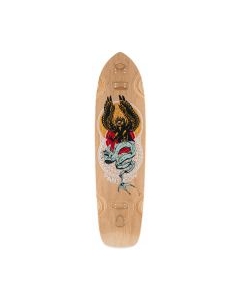
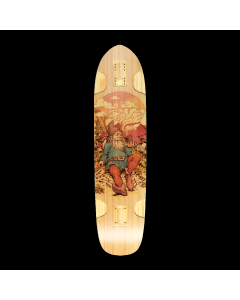
Board with kicktail or double kicktail
A versatile board for tricks thanks to the kicktail, still suitable for downhill riding as it generally ranges between 34 and 38".
Symmetrical board with or without drop
Prioritizes stability with a generally large wheelbase, increasing the turning radius. Drop boards limit foot movement and lower your center of gravity for stability at the expense of maneuverability.
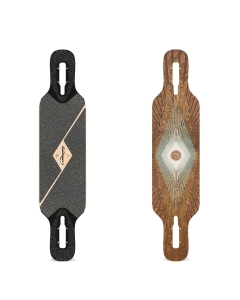
Fuselage board without kicktail
Minimalist and rigid for speed and comfort in slides. Often customized with torque blocks or footstops. Simple and effective.
-
-
-
-
-

-
-

-
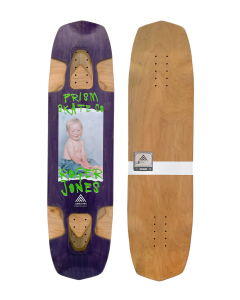
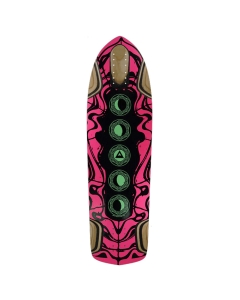
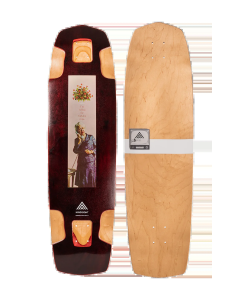
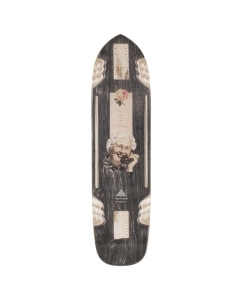 PRISM DECK COLE TROTTA COP CALLER SERIES 38,5"Special Price €232.95 Regular Price €239.90
 -
-
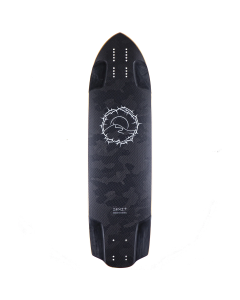
-
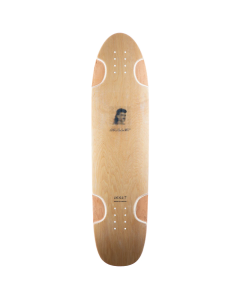
-
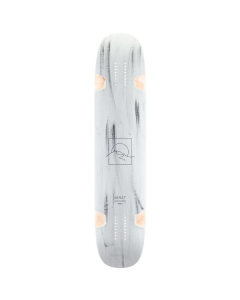
-
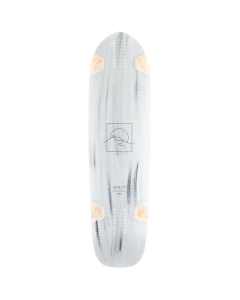
-
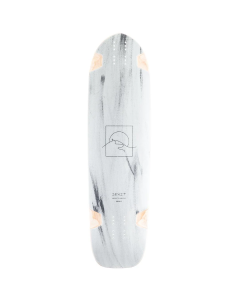
-
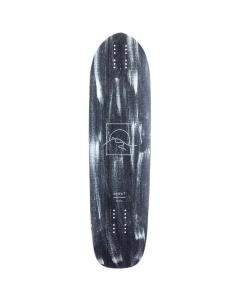
-
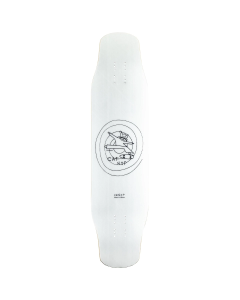
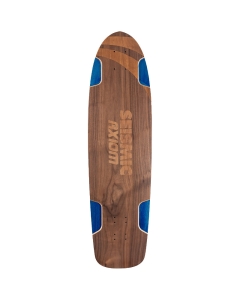


Choose your trucks
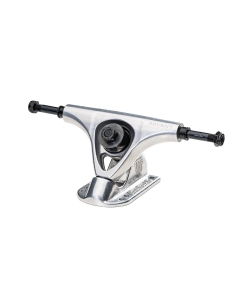
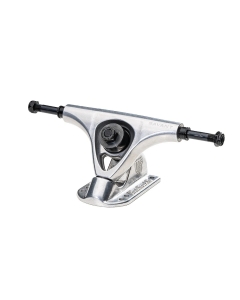
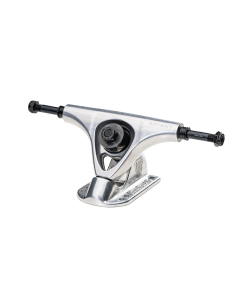
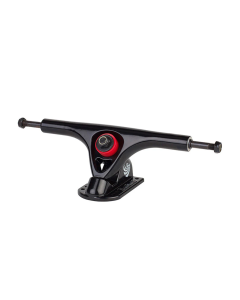
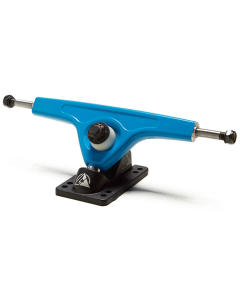
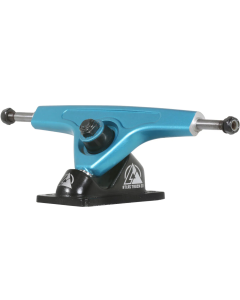
RKP Trucks
The width depends on your deck. Consider 140-180 mm. Narrower is more agile but less stable in slides; wider is the opposite.
For angles: 45° / 45° gives a versatile, stable setup. A split angle (different front/rear) increases high-speed stability at the cost of switch versatility.
-
-
-
-
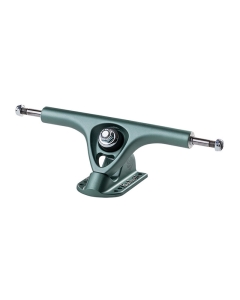 Truck RKP PARIS TRUCK V3 180mm 50° Sage GreenSpecial Price €35.95 Regular Price €37.40
 -
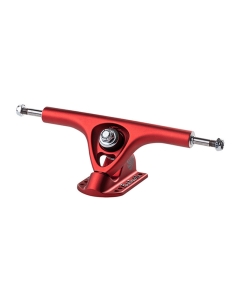 Truck RKP PARIS TRUCK V3 180mm 50° Scarlet RedSpecial Price €35.95 Regular Price €37.40
 -
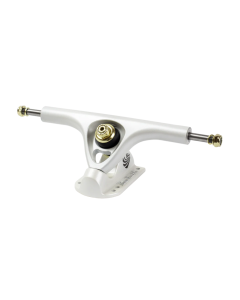
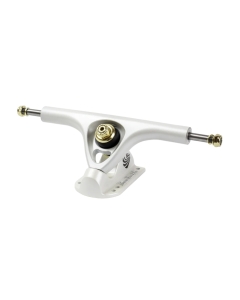
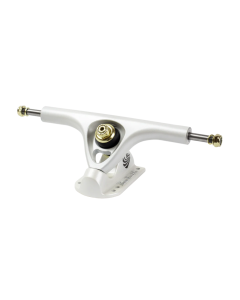
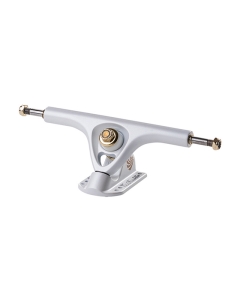 Truck RKP PARIS TRUCK V3 180mm 50° Pearl WhiteSpecial Price €35.95 Regular Price €38.40
 -
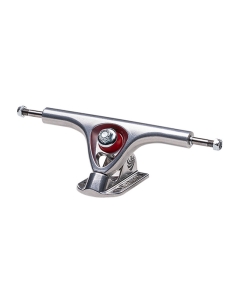 Truck RKP PARIS TRUCK V3 180mm 50° PolishedSpecial Price €34.95 Regular Price €35.90
 -
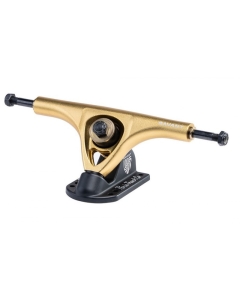 PARIS TRUCK SAVANT 165MM 50° GOLD/BLK (UNITE)Special Price €96.95 Regular Price €99.90
 -
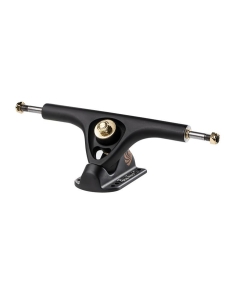 Truck RKP PARIS TRUCK V3 180mm 43° Matte BlackSpecial Price €35.95 Regular Price €37.40
 -
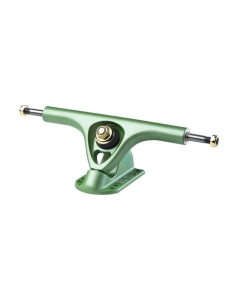 Truck RKP PARIS TRUCK V3 180mm 50° Tropic GreenSpecial Price €35.95 Regular Price €37.40
 -
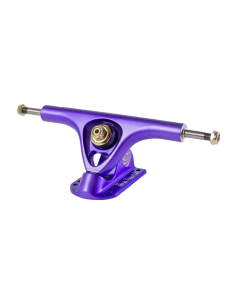
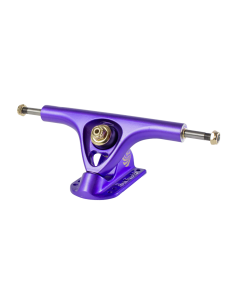
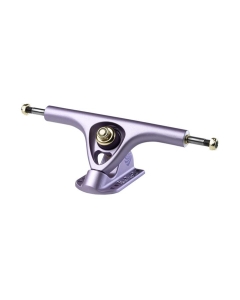 Truck RKP PARIS TRUCK V3 180mm 50° Purple TideSpecial Price €35.95 Regular Price €37.40
Choose your wheels
Hardness and size
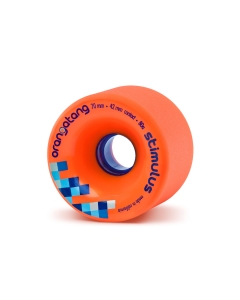
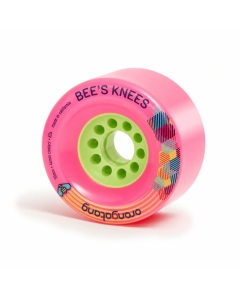
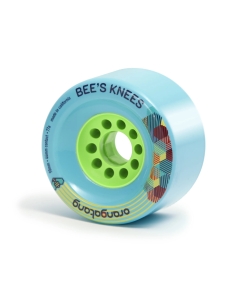
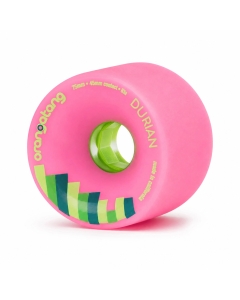
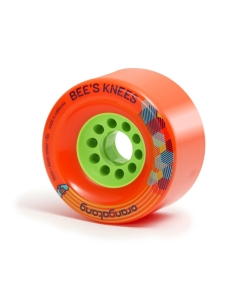
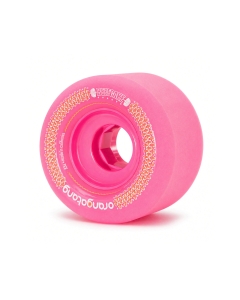
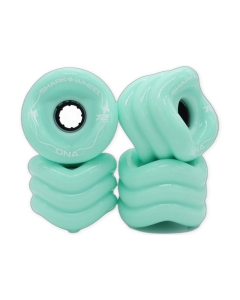
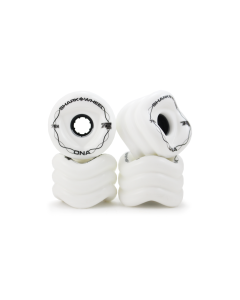
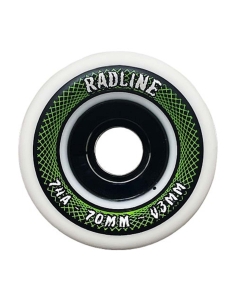
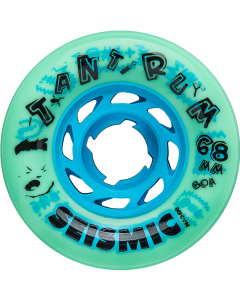
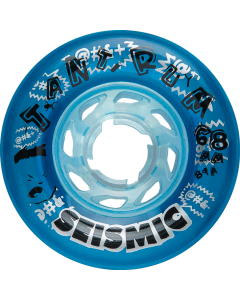
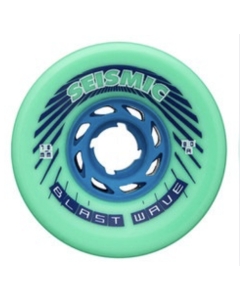
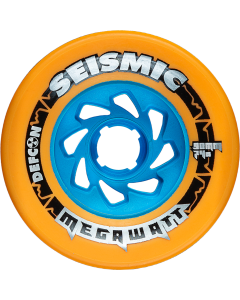
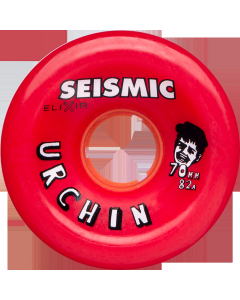
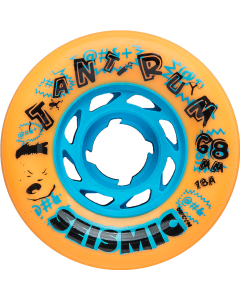
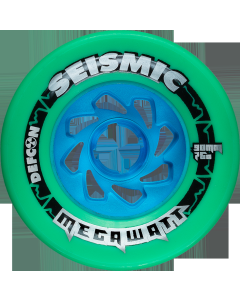
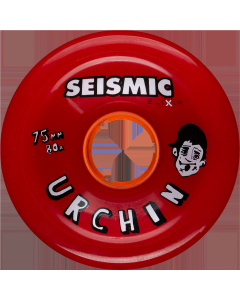
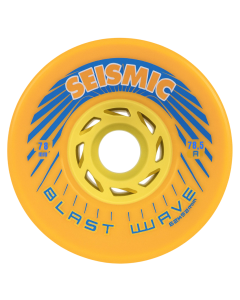
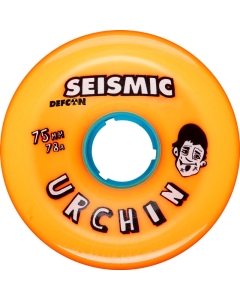
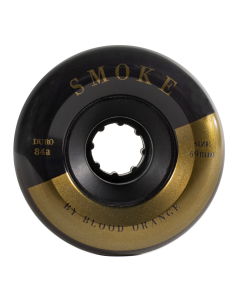
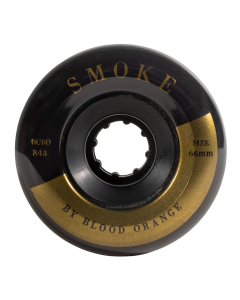
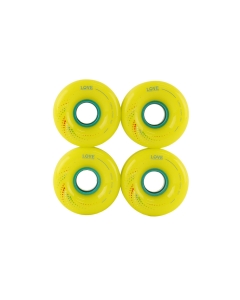
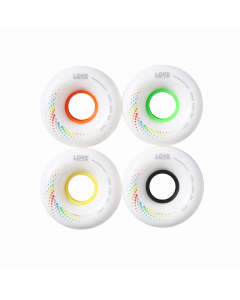
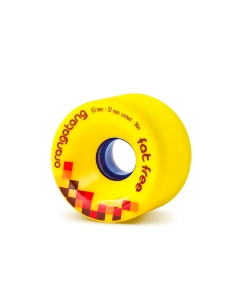
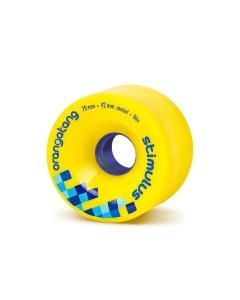
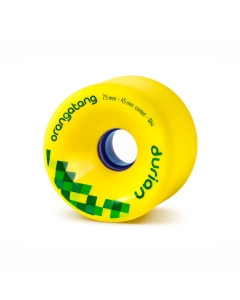
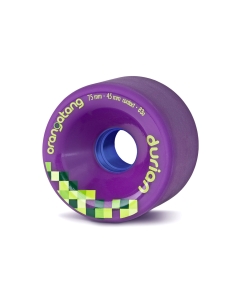
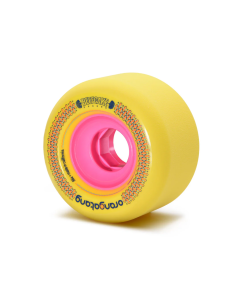
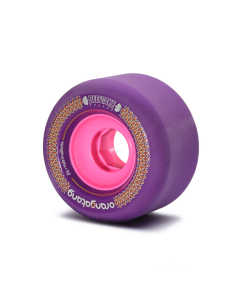
Typical diameter 65-75 mm, hardness 75a-86a.
Rounded-lip wheels help the wheel release from the road. Harder = less grip; softer = more grip.
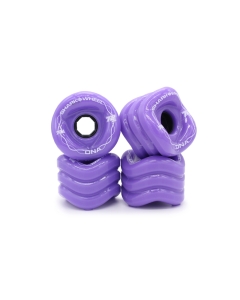
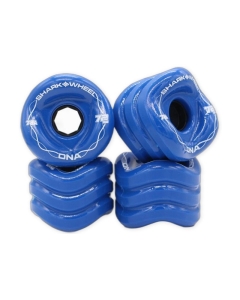
Square-lip wheels can also be used for more grip and control, but they are harder to break into a slide — better for advanced riders.
-
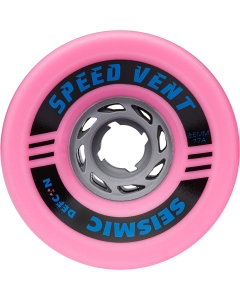
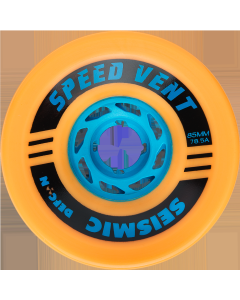 Wheels SEISMIC Speed Vent 85mm 78.5A Mango DefconSpecial Price €115.95 Regular Price €119.90
 -
-
-
-
-
-
-
-
-
-
-
-
-
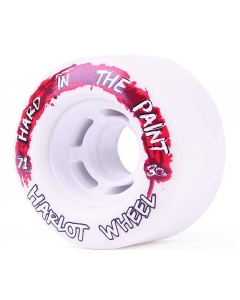 Wheels VENOM Hard in the Paint Harlot 71mm 80A White (x4)Special Price €60.95 Regular Price €89.90
 -
-
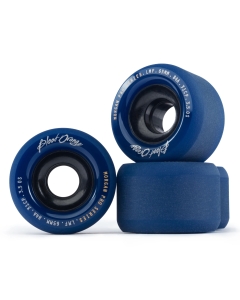
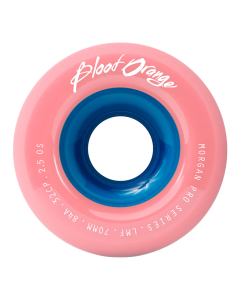 Wheels BLOOD ORANGE Morgan Pro Series 70mm 84A Coral (x4)Special Price €72.95 Regular Price €74.90
 -
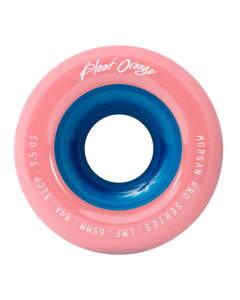 Wheels BLOOD ORANGE Morgan Pro Series 65mm 84A Coral (x4)Special Price €65.95 Regular Price €67.90
 -
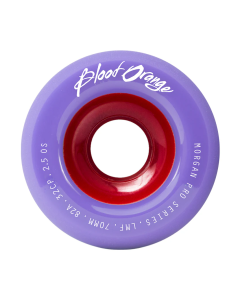 Wheels BLOOD ORANGE Morgan Pro Series 70mm 82A Lavender (x4)Special Price €72.95 Regular Price €74.90
 -
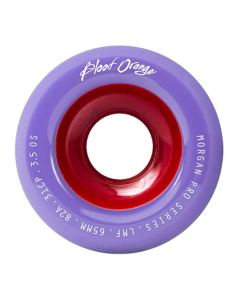 Wheels BLOOD ORANGE Morgan Pro Series 65mm 82A Lavender Lavender (x4)Special Price €65.95 Regular Price €67.90
 -
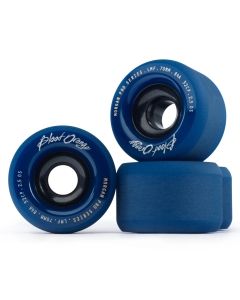 Wheels BLOOD ORANGE Morgan Pro Series 70mm 84A Midnight Navy (x4)Special Price €72.95 Regular Price €74.90
 -
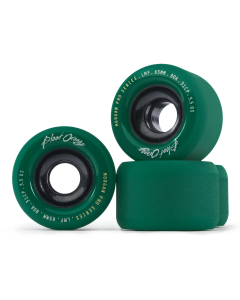
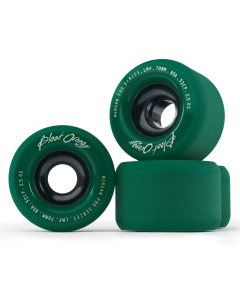 Wheels BLOOD ORANGE Morgan Pro Series 70mm 80A Midnight Green (x4)Special Price €72.95 Regular Price €74.90
 -
Wheels BLOOD ORANGE Morgan Pro Series 70mm 84A Blue (x4)Special Price €72.95 Regular Price €74.90
-
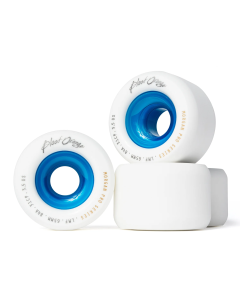 Wheels BLOOD ORANGE Morgan Pro Series 65mm 84A Blue (x4)Special Price €65.95 Regular Price €67.90
 -
 Wheels BLOOD ORANGE Morgan Pro Series 70mm 82A Red (x4)Special Price €72.95 Regular Price €74.90
 -
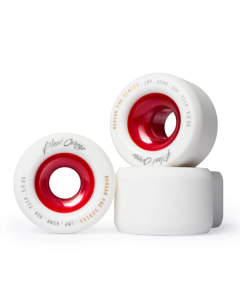 Wheels BLOOD ORANGE Morgan Pro Series 65mm 82A Red (x4)Special Price €65.95 Regular Price €67.90
 -
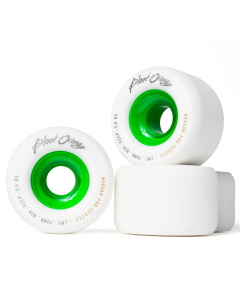 Wheels BLOOD ORANGE Morgan Pro Series 70mm 80A Green (x4)Special Price €72.95 Regular Price €74.90
 -
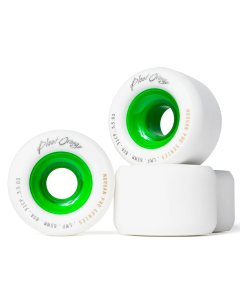 Wheels BLOOD ORANGE Morgan Pro Series 65mm 80A Green (x4)Special Price €65.95 Regular Price €67.90
 -
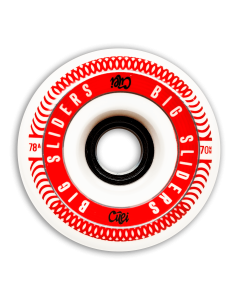 Wheels CUEI Big Sliders 70mm 78A White Red (x4)Special Price €84.95 Regular Price €87.90
 -
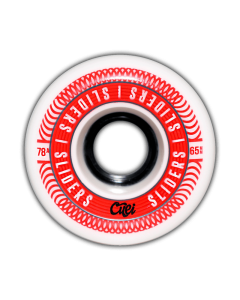 Wheels CUEI Sliders 65mm 78A White Red (x4)Special Price €81.95 Regular Price €84.90
 -
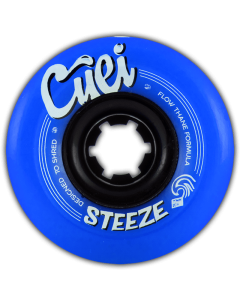 Wheels CUEI Steeze 70mm 83A Blue Black (x4)Special Price €91.95 Regular Price €94.90
 -
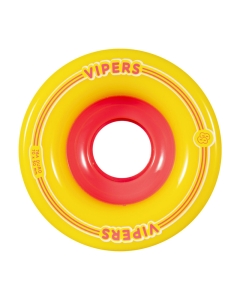 Wheels 88WHEELS Viper Freeride 70mm 76A (x4)Special Price €70.95 Regular Price €74.90
 -
-
-